

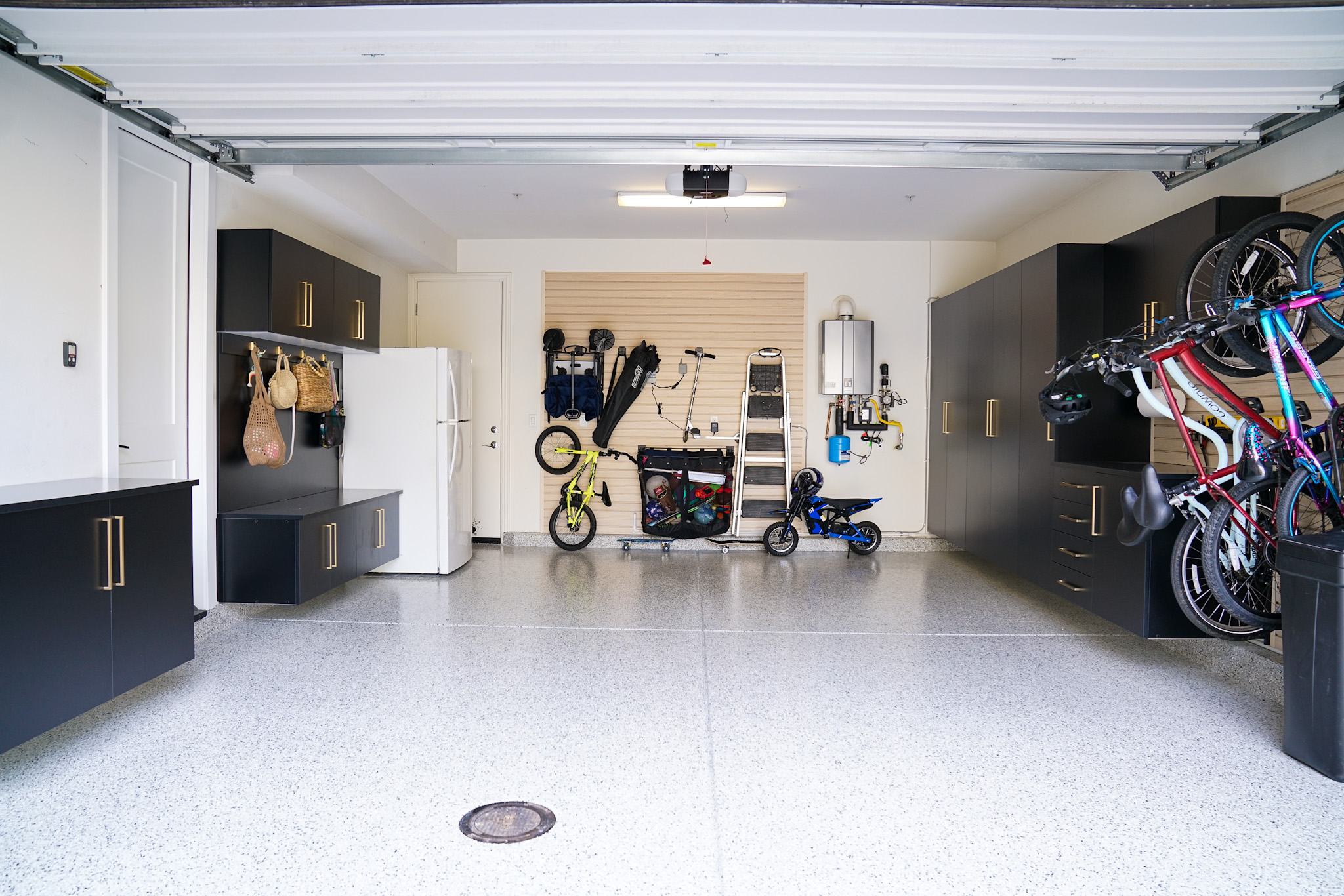
Most garage projects start with the same assumption.
There is too much stuff, so the garage needs more storage.
That may be true. But storage only works when it is added with a plan. Otherwise, the garage can end up with more cabinets, more shelves, more bins, and the same underlying problems.
A good garage design starts before anything is installed. It starts with understanding how the space is used, what needs to be stored, and where the most friction is happening.
Before adding more garage storage, these are three design mistakes worth avoiding.
Mistake 1: Starting With Storage Before Understanding What Needs to Be Stored
The first mistake is treating storage as the starting point.
When a garage feels cluttered, it is easy to jump straight to products. Cabinets, shelves, hooks, bins, and wall systems all seem like possible solutions.
But the real starting point is understanding the garage itself.
That means looking beyond how much space is available and getting clear on what the garage is being asked to hold. Some things need to stay. Some things may need to go. Some things need to be easy to reach, while others only need a place to live when they are not being used.
That clarity matters.
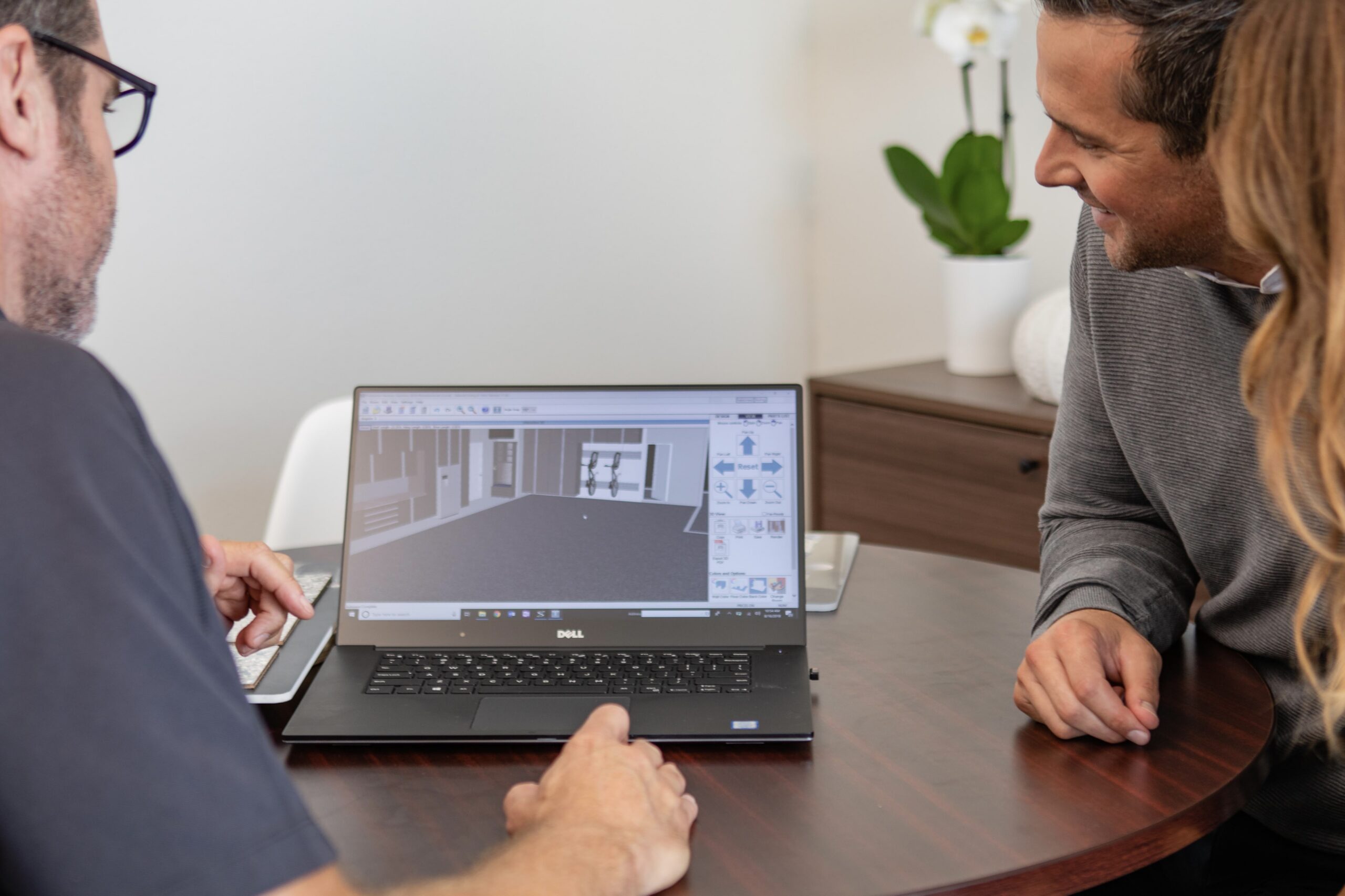
Once you understand what belongs in the garage and how often those items are used, the design decisions become much easier. Storage is no longer being added because the garage feels messy. It is being chosen because it has a specific job to do.
That is where a better garage design begins. Not with the product that looks best, but with the storage plan that makes the most sense for the way the garage needs to work.
Mistake 2: Treating Every Item the Same
Not everything in a garage should be stored the same way.
The things used every week should be easy to grab. The things used once or twice a year can live farther out of the way.
That matters because a garage is not just holding “stuff.” It is holding different kinds of things that need different levels of access, visibility, and protection.
When every item is treated the same, the garage may look organized for a short time, but it becomes harder to keep that way. The issue is not just where things go. It is whether the storage fits the way those items are used.
A better design makes those differences clear. It gives the most-used items easier access, conceals what creates visual clutter, and keeps less-used items from taking over the most convenient space.
That is how storage starts to feel intentional instead of random. The garage is no longer just full of places to put things. It has a reason for where things go and how they are stored.
Mistake 3: Filling Every Wall With Storage
Open wall space is valuable, but that does not mean every wall should be filled.
This is one of the easiest mistakes to make. The garage feels cluttered, so the instinct is to use every available surface for storage.
But a garage still needs open space.
That open space is not wasted. It is what allows the garage to keep functioning after the storage is added. Without it, the design can start to work against itself. The garage may technically hold more, but it can feel tighter, more crowded, and harder to use.
Good design knows where storage belongs. It also knows where to stop.
The goal is not to fill the garage. The goal is to make the garage work better.
BetterGarage Design Starts With a Plan
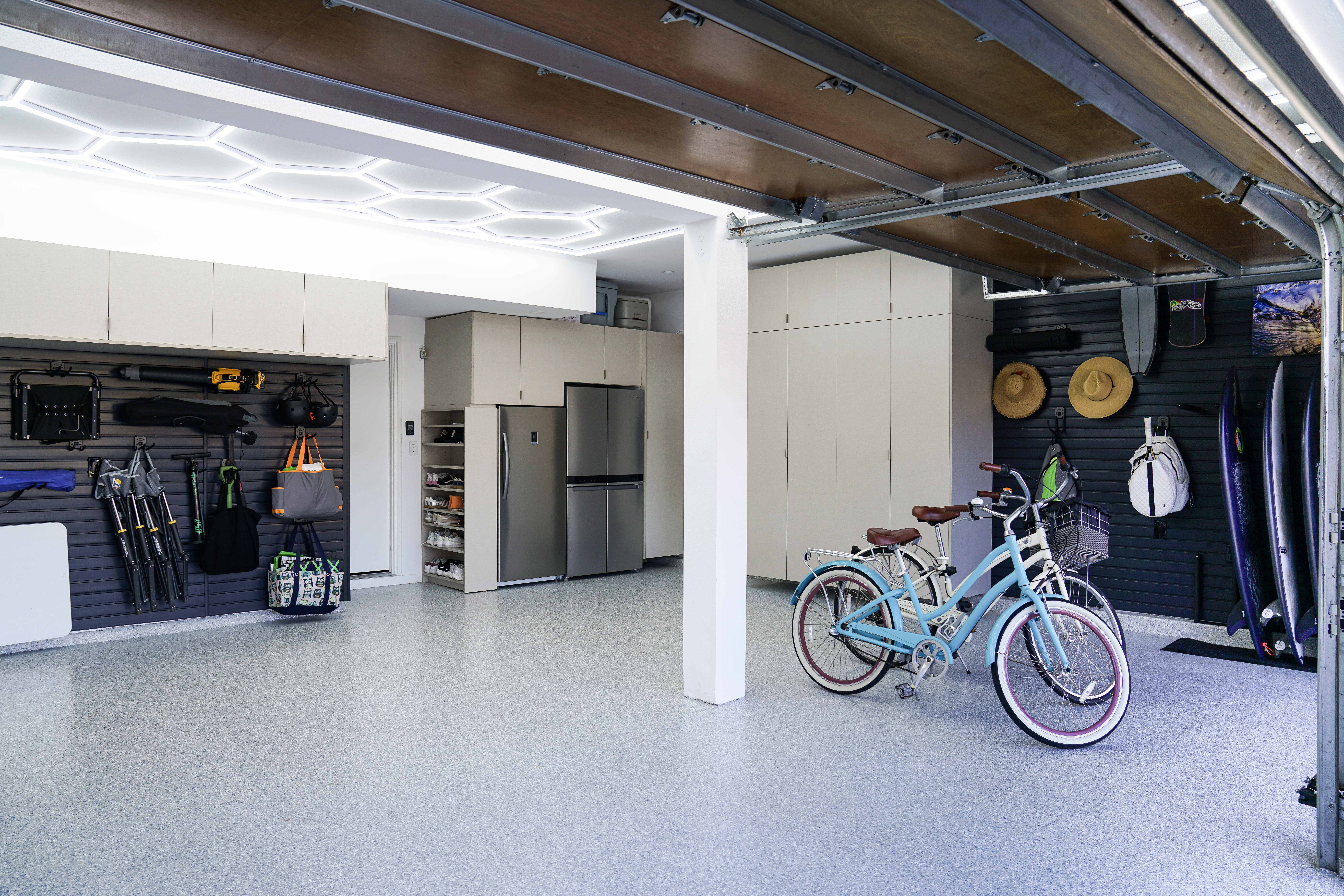
Garage storage should make the space easier to use, not just fuller.
That only happens when the design has a reason behind it. What stays visible, what gets tucked away, what needs to be easy to reach, and what should stay out of the way all need to be considered before storage is added.
Once that thinking is in place, storage becomes part of a larger plan.
That is what separates a thoughtful garage design from a collection of storage products. The best result is not the garage with the most cabinets, shelves, or wall panels. It is the garage where the storage fits the way the space is used.
Before you add more storage, make sure the space has a plan.
